
Why does my roof shingle keep lifting in high winds
Shingles lift when the seal is broken, the fastening is wrong, or the edge is exposed — and once one tab lifts, the wind gets under the next one.
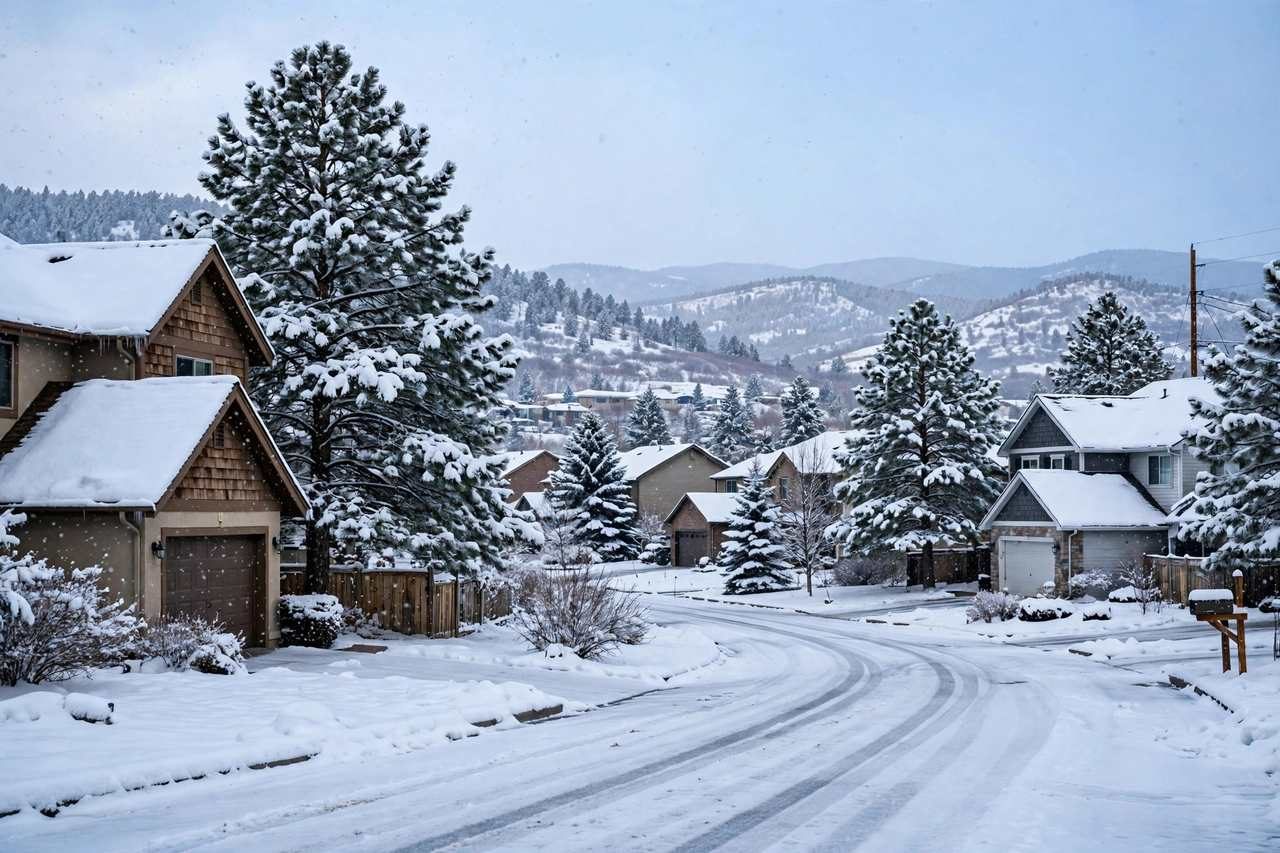
A shingle that keeps lifting is not a mystery and it is not bad luck. It is a specific failure — a sealant strip that never bonded, a nail outside the nailing zone, a ridge cap that has worked loose, or an edge that was left exposed — and it repeats because the cause was never fixed. This guide explains the five real causes, what wind speeds actually do the damage in Lakewood, and how to fix lifting shingles so they stay down.
The short answer: why shingles lift in high winds
Shingles lift because the wind gets underneath them, and the wind gets underneath them because something has already failed: the self-sealing strip that bonds one shingle to the next, the nails that hold the shingle to the deck, or the ridge cap and edge details that protect the roof’s most exposed lines. Once a tab is up, the wind catches it like a sail, and the lifting spreads to the next tab. A roof that has one lifted shingle in a wind event will usually have more after the next one, unless the cause is fixed.
What wind speeds actually peel shingles in Lakewood
Lakewood’s roofs are built to a design wind speed of 100 mph Vasd / 130 mph Vult under the 2021 IRC, which is a substantial margin above the winds Lakewood actually sees. The county’s maximum recorded wind gust is 68 knots — about 78 mph — at Columbine on 6 June 2020. So when shingles lift in a Lakewood wind event, the cause is almost never that the wind exceeded the design speed. It is that the roof’s fastening or sealing was already compromised.
The exposure is not even across the city. Homes on the slopes of Green Mountain face greater wind exposure than homes on flat ground below, and elevated sites catch gusts that properties a mile east never feel. If your roof is on a slope or a park edge, the wind story is different from the same roof on a flat lot — and the fastening and ridge-cap details matter more.
The five real reasons shingles keep lifting
- The sealant strip never bonded. Shingles seal to each other with a heat-activated strip. If the roof was installed in cold weather, or the strip was dusty or misaligned, the bond never forms, and the tab is held by nails alone.
- Nails missed the nailing zone. Nails placed too high, too low, or at an angle do not hold the shingle properly. High nails are the classic cause: they miss the shingle below and leave the tab able to lift.
- Ridge caps and hips worked loose. The ridge is the most wind-exposed line on the roof. Loose ridge caps let wind under the field shingles from the top down.
- Edges and rakes are exposed. The rake edge and the eave are where wind gets its first purchase. Missing or damaged drip edge and starter strip leave the first course vulnerable.
- The shingles are old and brittle. On a roof near the end of its service life, the mat is stiff and the sealant is spent. Tabs that lift once will lift again, because the shingle can no longer re-seal.
How to fix lifting shingles in Lakewood
The fix depends on the cause, which is why the inspection comes first. A single lifted tab on a young roof is usually a re-seal and re-fasten job: the tab is lifted gently, roofing sealant is applied under it, and it is pressed and weighted until it bonds. Nails in the wrong place are replaced with nails in the nailing zone. A loose ridge cap is re-fastened or replaced, and the rake and eave details are checked for missing starter strip or drip edge.
When the cause is age — brittle shingles that crack when lifted, sealant that will not re-bond — the fix is not a repair. It is a replacement, and the replacement is the right time to talk about Class 4 impact-resistant shingles and the roof replacement scope under Lakewood’s 2021 code: tear-off to deck, one layer only, Class A covering citywide, and a permit before tear-off. For the repair itself, see our wind damage roof repair and shingle roof repair pages.
Does insurance cover wind-lifted shingles in Lakewood?
Most Colorado homeowner policies cover sudden wind damage, minus your deductible, when the damage is tied to a specific wind event. What is not covered is wear and tear: shingles that lift because they are old and the sealant is spent are a maintenance and replacement question, not a claim. The distinction is the inspection — a written scope with photos that shows whether the lifting is event damage or age. And the deductible rule applies here too: under SB 12-038, a roofer may not pay, waive, or rebate any part of your deductible. See our guide to filing a storm damage claim for the full process.
Common mistakes that make wind damage worse
- Re-nailing the tab without re-sealing it. Nails alone do not hold a shingle against wind. The seal is what holds it.
- Sealing over dirt and debris. Sealant applied to a dirty shingle does not bond. The surface has to be clean and dry.
- Fixing one tab and ignoring the ridge. If the ridge cap is loose, the wind will get under the next tab. Fix the ridge too.
- Waiting for the next storm to see if it holds. A lifted tab is an open path for water. The next rain will find it.
- Climbing up in the wind to fix it. Wind that lifts shingles will lift you too. Wait for calm conditions, or call a roofer.
When to call a professional
Call a roofer if more than a couple of tabs are lifting, if the lifting repeats after a repair, if the ridge cap is loose, or if the roof is over 15 years old and the shingles are brittle. Those are the signs that the cause is systemic, not local, and a repair that only addresses the visible tab will not hold.
Roof Authority LLC works on residential roofs across Lakewood, including Green Mountain and Eiber. Call (720) 817-3348 for an inspection and a written scope.
Frequently Asked Questions
Why do my roof shingles keep lifting in high winds?
Usually because the sealant strip never bonded, nails missed the nailing zone, ridge caps worked loose, or the shingles are old and brittle. Once one tab lifts, the wind gets under the next one.
What wind speed damages roofs in Lakewood?
Lakewood roofs are built to a design wind speed of 100 mph Vasd / 130 mph Vult under the 2021 IRC. The county maximum recorded gust is about 78 mph at Columbine on 6 June 2020. Lifting usually means the fastening or sealing was already compromised.
Can lifting shingles be repaired, or do I need a new roof?
A single lifted tab on a young roof can usually be re-sealed and re-fastened. Brittle shingles that crack when lifted, or lifting that repeats after repair, usually point to replacement.
Does insurance cover wind-lifted shingles in Lakewood?
Most Colorado homeowner policies cover sudden wind damage, minus your deductible, when it is tied to a specific wind event. Wear and tear from age is not covered.
Do I need a permit to repair wind damage in Lakewood?
Lakewood requires a permit before tear-off on any re-roof or repair of 100 square feet or more. Small repairs below that threshold do not need one.
Get help with Roofing in Lakewood
If your shingles keep lifting, call (720) 817-3348. We will inspect the roof, find the cause, and give you a written scope for the repair — or tell you plainly if the roof needs replacing.
Roof Authority LLC is based at 200 Union Blvd, Lakewood, CO 80228, and works Monday to Saturday, 7:00 AM to 5:00 PM. Phone is the way to reach us.